



How Pen Ink Types Technology Impacts Writing Quality
Post Date : January 13, 2026Summary
- Writing quality is largely decided by pen ink types, not just the pen body. Ink controls flow, drying, smudge resistance, colour depth, and how much pressure you need.
- The most common types of pens that students and professionals use are ballpoint and gel. Ballpoints typically use thicker, oil-based ink, while gel pens use pigment in a water-based gel, which often feels smoother and looks bolder.
- If you understand ink, you can pick the right pen for the job: quick notes, neat margins, colour-coded study, or clean writing on absorbent paper.
Introduction
Most people judge a pen in the first five seconds: does it start quickly, glide smoothly, and leave a clear line? But that “feel” is mainly ink technology doing its job. The difference between a pen that writes crisp and controlled versus one that blobs, skips, or smears usually comes down to how the ink is formulated, how it is delivered through the tip, and how it behaves on the paper you use every day. Once you understand the basics behind varieties of pen, pen ink types, and the most common types of pen, choosing the right writing tool becomes simple, practical, and noticeably more satisfying.
A quick guide to the varieties of pens and what changes inside them
From the outside, pens look similar. Internally, the ink system makes them behave very differently. Here are the everyday pen varieties most people use:
- Ballpoint pens: typically use thicker, oil-based ink for controlled writing and reduced smudging.
- Gel pens: use pigment suspended in a water-based gel, often giving darker, more vibrant lines and a smoother feel.
- Rollerball pens: generally use thinner, water-based ink (often dye-based), which can look richer but may smudge more on some papers.
- Fountain pens: use water-based ink designed to flow by capillary action, usually dye-based for smooth flow and easy maintenance.
You do not need to use every type. You just need to match the ink system to your writing needs.
What is ink actually made of, and why does it change writing quality?
Most inks have three functional parts:
- Colourant: dye or pigment (this affects darkness, vibrancy, and water resistance)
- Vehicle: oil or water-based (this affects flow, drying, and paper interaction)
- Additives: lubricants, thickeners, surfactants, preservatives (these affect glide, consistency, and stability)
This is why two “black pens” can feel completely different. One may be dye-based in an oil system (classic ballpoint style), and another may be pigment-rich in a gel system (classic gel style).
Ballpoint ink technology: why it is still the everyday winner
Ballpoints are popular because they are dependable. They usually dry quickly, resist accidental smearing, and handle average paper quality well. The core reason is the ink: ballpoint ink is commonly described as thicker and oil-based compared to water-based systems.
What ballpoint ink does well
- Cleaner writing on most paper: less feathering on absorbent notebooks
- Better smudge control: especially for fast note-takers
- More consistent for everyday handling: pages stay readable even when turned quickly
Where ballpoints can struggle
- They may need more pressure than gel, because thicker ink needs a stable rolling action at the tip to transfer well.
So if you want speed and smudge control, ballpoint is often the practical first choice.
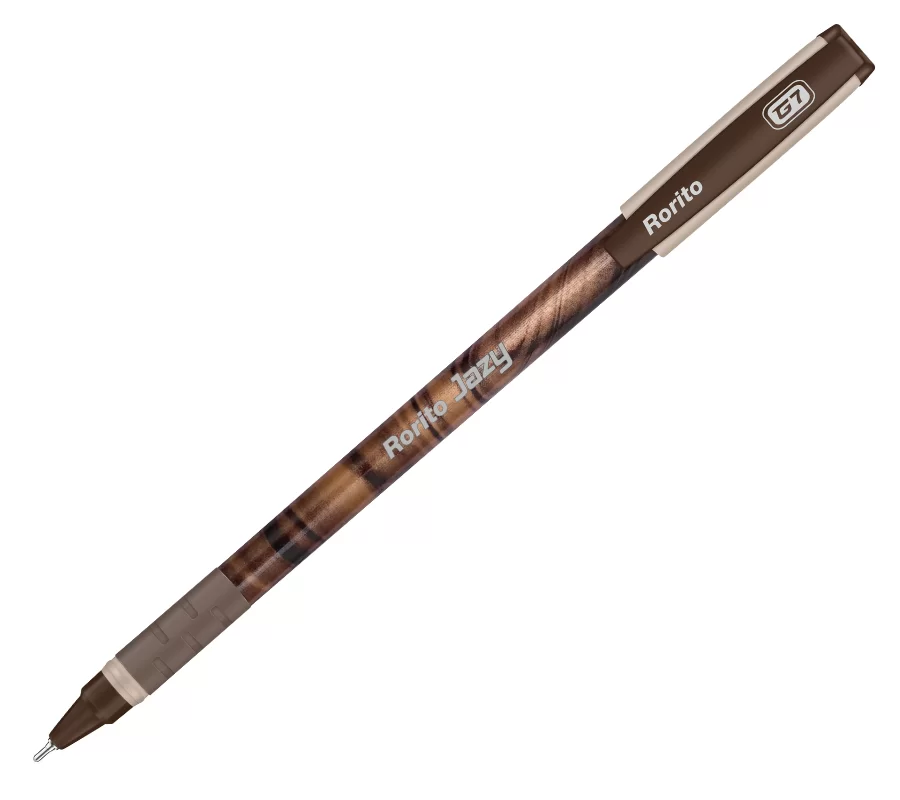
Rorito pick for organised study: Jazy G7 Ball Pen (Designer Series)
When your study method relies on colour-coding, your “writing quality” is not only about smoothness. It is also about clarity at a glance. For that, a dependable coloured ballpoint helps you separate headings, key points, formulas, and definitions without switching tools constantly. Our Jazy G7 Ball Pen (Designer Series) is built for exactly this kind of everyday writing and colour-driven note structure.
How to use it smartly:
- One colour for headings, one for examples, one for mistakes you corrected
- Quick underlines and margin markers that stay readable later
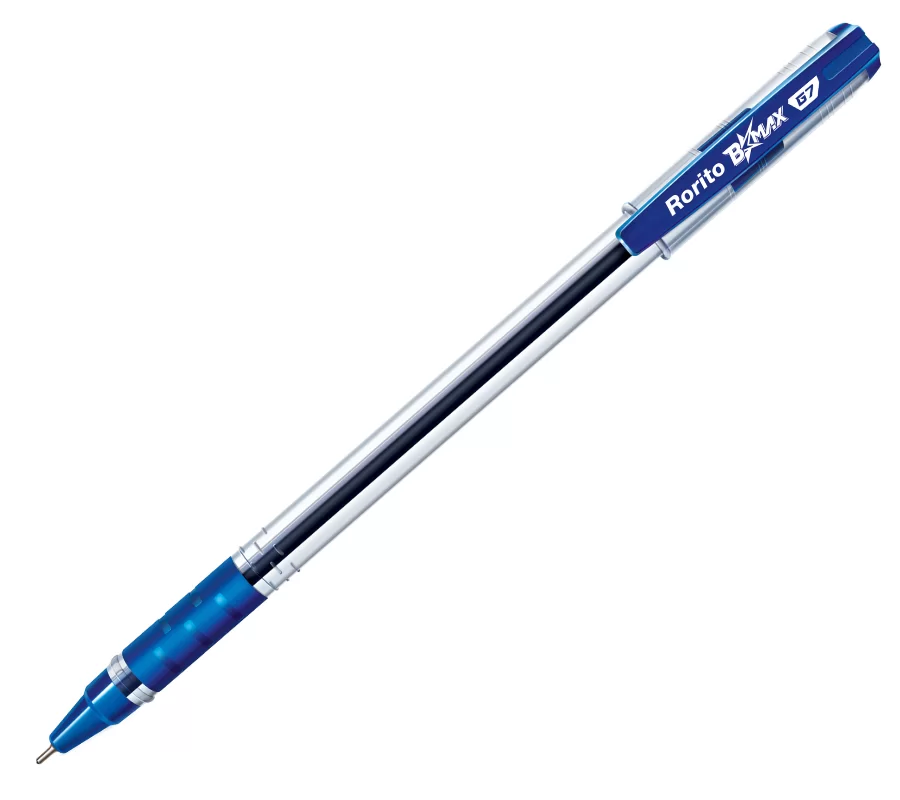
Rorito pick for fast, bright writing: B Max Ball Pen
If you write quickly and want a pen that keeps up, focus on the ballpoint tip and how it supports “fast and smooth writing”. Our B Max G7 Ball Pen is described with a 0.7 mm tip, a unique tip for fast and smooth writing, and a comfortable soft grip, which is exactly what students look for during long notes and practice papers.
Where it fits best:
- Class notes and revision notes
- Practice papers where you need a consistent writing pace
- Anyone who wants a “bright writing” look without switching to gel
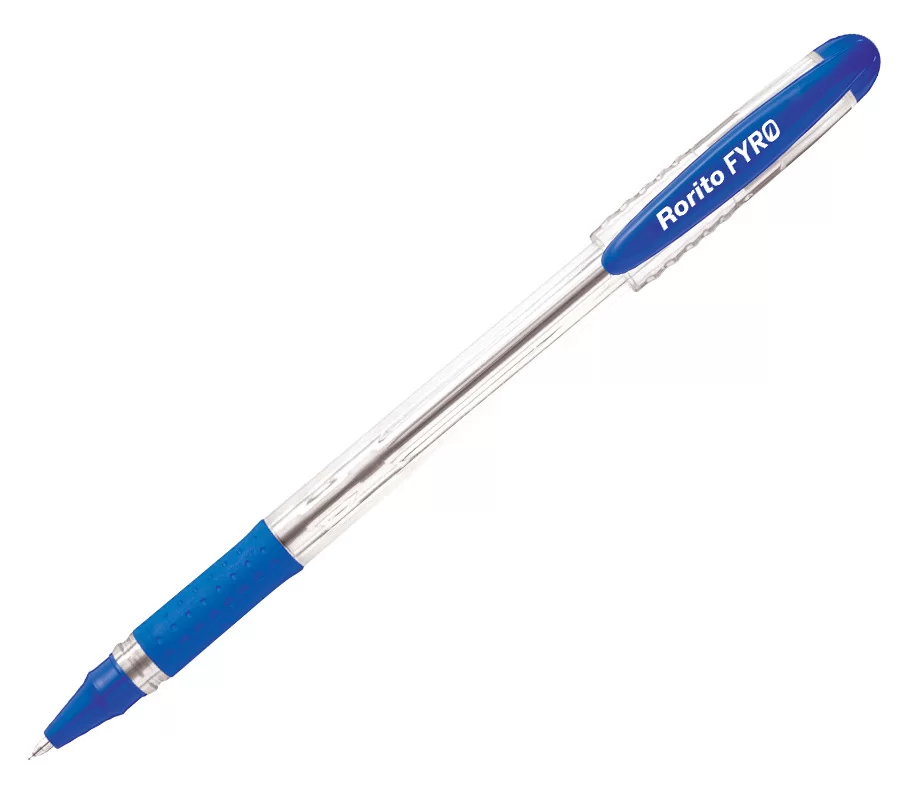
Rorito pick for fine, neat writing: Fyro Ball Pen
Sometimes writing quality means precision: tighter handwriting, cleaner margins, and neat diagrams. In those cases, a finer ballpoint tip can help. Our Fyro Ball Pen is positioned with a 0.5 mm tip for fine and smooth writing, plus anti-smudging and a soft grip, which suits students who keep their answers compact and controlled.
Where it fits best:
- Small handwriting and tight answer-book spacing
- Margins, bullet lists, and clean outlines
- Neat working notes for maths, accounts, and science
Gel ink technology: why gel often looks richer and feels smoother
Gel pens are engineered to feel smoother because the ink system behaves differently. Gel ink is commonly described as pigment suspended in a water-based gel, which often gives bold, opaque colour and a smooth laydown.
What gel ink does well
- Darker, more saturated lines: great for readability and presentation
- Smoother feel for many writers: less pressure for a consistent line
- Strong colour performance: especially for vibrant inks and darker shades
Where gel ink can struggle
- Smudging risk on some paper: especially if you overwrite quickly, or the paper is very smooth and slow to absorb ink
- Faster ink usage: bold lines often use up ink sooner (depending on tip size and writing style)
Rorito pick for smooth gel writing: Glynex Gel Pen
If you love gel glide but still want everyday practicality, our Glynex Gel Pen is a strong option. It is listed with a distinctive barrel style and multiple colour options, which suits students who want smooth writing plus a bit of personality in their daily kit.
Where it fits best:
- Neat notes, definitions, and clean headings
- Smooth daily writing when you like darker, richer lines
- When you want gel feel for comfort, but still want consistent everyday performance

Rollerball and fountain ink: where they fit in writing quality
Even if you do not use these daily, they explain the spectrum of ink behaviour:
- Rollerballs are commonly described as using water-based ink, typically thinner than ballpoint ink, which can create a rich line but may be more prone to smudging depending on the paper.
- Fountain pen ink is generally water-based, designed to flow through narrow channels, often dye-based for smooth flow.
If you want ultimate smoothness and do not mind more paper sensitivity, these systems can feel beautiful. If you want controlled everyday writing with fewer surprises, ballpoint and gel usually win.
Paper is the silent partner in writing quality
Even the best pen ink types behave differently across paper.
- On very absorbent paper, ink can spread slightly, softening edges.
- On glossy paper, ink may sit on top longer, increasing smudge risk.
- On recycled paper with rough fibres, some tips can feel more draggy.
That is why students often keep two options: a ballpoint for high-speed, low-smudge work, and a gel for bold clarity when the paper supports it.
How to choose the right ink technology for your routine
Use this practical matching guide:
- Fast note-taking and exam practice: ballpoint (control + smudge resistance)
- Neat, fine writing and tight margins: fine-tip ballpoint (precision + clarity)
- Bold headings and smooth feel: gel (richer line + smoother laydown)
- Colour-coding study: coloured ballpoint set for structure and recall
Made for the Pages You Fill Every Day
Rorito creates tools for the writing you do every day, not just special occasions. Notes, lists, classwork, meeting pages, journalling, all of it deserves clarity and ease. Our pens and stationery are made to support neat strokes, clean lines, and reliable performance.
We believe consistency comes faster when your writing instrument feels stable and comfortable. That is why we offer options across tips, grips, and ink styles to suit different hands and speeds. Choose what matches your routine, and let neatness become your default.
Summing up
Ink technology is the biggest reason writing quality changes from pen to pen. Ballpoint ink systems offer control and everyday reliability, gel ink systems deliver richer lines and a smoother feel, and water-based systems like rollerball and fountain offer fluid flow with more paper sensitivity. Once you match the ink to your use case, you stop battling skips and smudges, and your writing becomes cleaner, faster, and more consistent. If you want a simple, student-ready setup, keep one reliable ballpoint for speed (like B Max or Fyro), add a colour option for structure (Jazy G7), and keep a gel for bold, smooth writing (Glynex).
FAQs
1, What are the main pen ink types?
The most common pen ink types are oil-based ballpoint ink, water-based gel ink (with pigments), and water-based liquid inks used in rollerballs and fountain pens.
2, Which types of pen are best for everyday writing?
Ballpoints are often best for everyday writing because the ink is controlled and practical on most papers. Gel pens are excellent when you want a darker line and smoother feel, as long as your paper supports it.
3, Do gel pens write more smoothly than ball pens?
Many people find gel smoother because gel ink is water-based and pigment-rich, which often lays down a bolder line with less pressure. Ballpoints can feel more controlled and smudge-resistant due to thicker oil-based ink.
4, Why does the same pen feel different in different notebooks?
Paper texture and absorbency change the friction at the tip and how ink spreads. Rougher or more absorbent paper can increase drag or soften edges, while glossy paper can increase smudge risk.
5, Which Rorito pen should we choose for neat, fine writing?
If you want fine, controlled writing, our Fyro Ball Pen is positioned with a 0.5 mm tip and anti-smudging features, which suit neat margins and compact handwriting.
6, Which Rorito pen should we choose for smooth gel writing?
If you want gel glide and bolder lines, Glynex Gel Pen is a solid choice for smooth everyday writing and clean notes.