



Top-Rated Best Pens for Professionals in 2026
Post Date : January 13, 2026Summary
In a professional setting, a pen is still one of the most used tools, even in a digital-first world. The difference between a “good” pen and a top-rated one is not branding or looks; it is performance: a smooth start, consistent ink flow, clean lines, and comfort during long writing sessions. This blog breaks down what professionals are actually choosing in 2026 across different types of pen, why certain pen ink types fit specific work styles, and how to pick the right option for meetings, signatures, daily notes, and client-facing use, without recommending any one model.
Introduction
Pens are not just for signing documents, even in 2026. Professionals use them for quick meeting notes, project planning, interview scoring sheets, to-do lists, journalling, and daily desk work that still happens on paper. In 2026, “top-rated” pens are the ones that combine smooth writing with control, look clean on different paper types, and feel comfortable even after a full page of writing. Whether you prefer a classic ballpoint, the glide of gel, or the elegance of fountain ink, the best choice depends on how you work: your writing speed, how often you pause and restart, the paper you use, and whether smudging is a deal-breaker.
What “top-rated” means for professionals
A pen can be excellent for exams and still feel wrong in a work setting. For professionals, top-rated pens usually win on these real-life factors:
- Instant start-up: no scribbling to “get it going”
- Consistent line quality: the ink does not fade mid-word or pool at the end of strokes
- Low smudge risk: especially for left-handers or fast note-takers
- Comfort for long sessions: reduced finger strain during meetings and planning
- Clean, professional look: crisp lines suitable for signatures and client notes
- Reliability across paper: works on common office paper, notebooks, and printed documents
Ballpoint pens: the everyday reliability choice
Ballpoint pen remain widely used because they are practical: they usually dry quickly, resist smudging, and work well on standard office paper. They are often preferred for forms, documents, and quick meeting notes where consistency matters more than bold colour.
Best for:
- Daily note-taking and to-do lists
- Forms and office documentation
- Travel and on-the-go writing
When to avoid:
- If you want ultra-smooth glide with very light pressure (you may prefer gel or rollerball)
Gel pens: the smooth, bold line option
Gel pens are popular because they often feel smoother and leave a darker, more saturated line. They suit professionals who want neat, high-contrast writing for headings, checklists, and clean notes.
Best for:
- Client notes where clarity matters
- Headings, emphasis, and structured lists
- People who write lightly and want a smooth flow
When to avoid:
- On glossy paper, some gel inks can smear if you flip pages quickly
Rollerball pens: the fluid writing feel
Rollerballs tend to write with a fluid feel and often create a rich line. Many professionals love them for the “effortless” motion. The trade-off is that they can be more paper-sensitive and may smudge more on some surfaces.
Best for:
- Long writing when you want a smoother feel
- Signature-style writing with richer strokes
When to avoid:
- If you write extremely fast or use very smooth paper that holds wet ink longer
Fountain pens: the premium writing experience
Fountain pens still hold a place in 2026 because they bring a distinct writing feel: lighter pressure, expressive strokes, and a refined look on the page. Professionals often use them for desk writing, journaling, signing, and personal notes.
Best for:
- Desk use, journalling, and signature moments
- People who enjoy controlled, elegant writing
When to avoid:
- If you need a pen that works on every paper type without thought
Picking the right pen based on how you work
Instead of choosing by trend, choose by workflow. Here are the professional scenarios that actually matter:
For meeting notes (fast writing + frequent pauses)
What works best:
- Reliable start after pauses
- Low smudge risk
- Comfortable grip for long sessions
Avoid:
- Anything that blobs when you restart mid-line
For signatures and client-facing writing
What works best:
- Clean, crisp line definition
- Controlled flow (not too wet)
- Comfortable balance for steady strokes
Avoid:
- Overly wet inks if you sign on glossy paper or carbon copies
For planners, margins, and compact writing
What works best:
- Finer, controlled line
- Stable flow without feathering
Avoid:
- Tips that are too broad if your handwriting is small
For long desk writing and journalling
What works best:
- Low-pressure writing feels
- Balanced body and comfortable grip
Avoid:
- Pens that require heavy pressure (hand fatigue shows up fast)
The comfort factor professionals overlook
A top-rated pen for professionals is often the one that keeps the hand relaxed. If you notice any of these, your pen choice is costing you comfort:
- Tight grip after one page
- Finger pain in the index finger or thumb
- Wrist fatigue after long notes
- Dark patches in writing from pressure spikes
A pen that writes smoothly with less pressure improves control and reduces fatigue, which is why comfort is not a “nice-to-have” in 2026; it is a productivity factor.
What professionals are rated highly in 2026
Across categories, the top-rated pens usually share the same traits:
- Smooth start and steady flow
- Consistent line output
- Comfortable grip or balanced hold
- Smudge control on common paper
- Clean line appearance for work writing
Notice what is missing: “trend”. Professional favourites are often quiet, dependable performers.
Our top professional picks for 2026
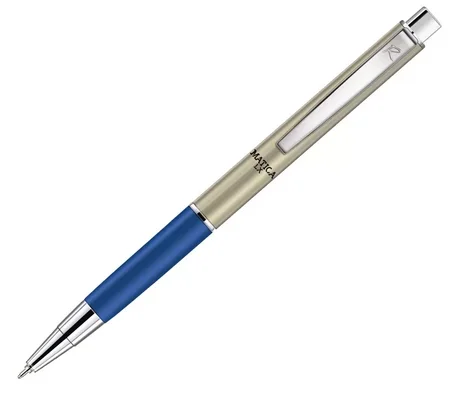
1. Jottek Matica Lx Ball Pen
If your pen is part of your desk identity, the Jottek Matica Lx is designed for that. It is positioned with an exquisite full-metal body, an elegant metallic finish, and a soft grip for a comfortable hold, along with a unique tip for smooth writing.
Why professionals choose it
- Full metal body for a premium, executive feel that suits meetings and formal signing
- Soft grip support, so it stays comfortable even when you are writing longer notes
- Smooth writing tip designed to keep strokes consistent when you move faster
Where it fits best in your workday
- Meeting notes where you want a clean, confident line
- Client-facing moments where the pen should look as polished as your stationery
- Daily office carry when you want a pen that feels premium without feeling delicate
Practical bonus: Matica Lx is available in blue and black variants on our site, which makes it easy to match your workplace preference.
2. Jottek Feathersoft Ball Pen
If your priority is comfort and an effortless writing feel, Jottek Feathersoft is built around that experience. It is described with an aeronautic design, a unique soft-coated body for ultimate writing comfort, a superior retraction mechanism, and a laser tip for smooth writing.
Why professionals choose it
- Soft-coated comfort for long writing sessions, especially when your day includes pages of notes
- Superior click retraction, which matters when you are switching between typing, calls, and quick writing
- Laser tip designed to keep writing smooth and consistent, especially on quick strokes
Where it fits best in your workday
- Long meetings, workshops, interviews, and training sessions where fatigue builds
- Busy desks and pockets, where a reliable retractable pen prevents ink marks and tip damage
- Professionals who write fast and want the pen to keep up without effort

Built for Hands That Write a Lot
Rorito is for people who write often and want their writing to stay clean and confident. We design writing instruments that feel balanced, write smoothly, and stay dependable across pages. From quick notes to long practice sessions, our range supports control without strain.
We keep comfort, legibility, and ink consistency at the centre of every product we make. If you are improving handwriting, the goal is repetition, and repetition needs a tool you enjoy using. Discover Rorito products that match your pace and help your writing feel more consistent every day.
Summing up
In 2026, top-rated pens for professionals are not defined by a single type or one “best” model. They are defined by how they perform in the moments you use them most: quick notes, long meetings, signatures, and daily desk writing. Choose your pen based on your workflow, your paper, and your comfort. When the ink flows consistently, the tip stays controlled, and your grip stays relaxed, your writing automatically looks cleaner and feels easier.
FAQs
1. What are the best types of pen for professionals?
Ballpoint for everyday reliability, gel pens for smooth, bold writing, rollerballs for fluid feel, and fountain pens for refined desk writing. The best choice depends on your tasks and paper.
2. Which pen ink types are most suitable for office use?
Oil-based inks are often practical for office documents due to control and smudge resistance, while gel inks offer darker lines for clear notes. Liquid inks can feel fluid but may need paper consideration.
3. How do I stop my notes from smudging?
Choose inks that set quickly on your paper, avoid overly wet inks for glossy pages, and give your notes a second before closing notebooks or stacking papers.
4. Why does my pen feel scratchy even if it is new?
Scratchiness can come from paper texture, the ink system needing more pressure, or an uncomfortable grip, causing you to press harder than needed. Try lighter pressure on smoother paper to test.
5. Is a finer tip always better for professionals?
Not always. Fine tips suit compact writing and planners, while medium tips feel smoother for faster writing. Choose based on your handwriting size and the kind of work you write.